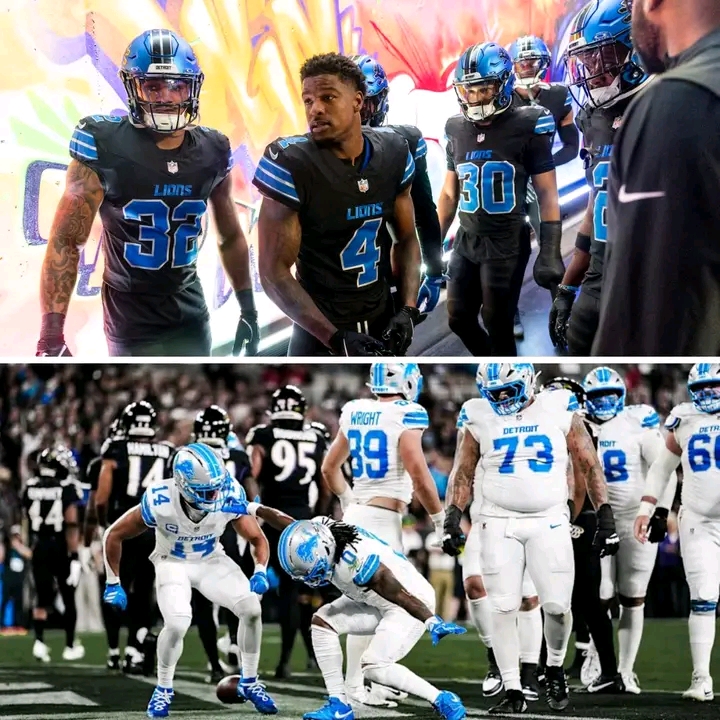
The Detroit Lions entered the 2025 season believing their secondary could be a stabilizing force. On paper, the group had youth, experience, and versatility. Early returns backed that confidence. Through the first stretch of the season, Detroit’s defensive backs were competitive, physical, and capable of holding up against top passing attacks.
Then reality hit. Hard.
As the season wore on, injuries began to stack up, and what once looked like a strength quickly turned into one of Detroit’s biggest liabilities. Missed games, limited snaps, and shuffled roles forced the Lions into survival mode in the secondary, and opponents took full advantage.
By midseason, communication breakdowns became noticeable. Coverage busts increased. Explosive plays followed. The cohesion that defined the unit early on slowly disappeared as backups were thrust into high-pressure situations with little continuity around them.
The Lions didn’t just lose players, they lost chemistry. Defensive backs who hadn’t practiced together consistently were suddenly asked to handle complex coverage schemes against elite quarterbacks. The result was predictable: late rotations, missed assignments, and a growing lack of trust across the back end.
What made the collapse more frustrating was that this wasn’t new. Once again, injuries exposed how thin Detroit’s margin for error remains on defense. Depth pieces were asked to do too much, too quickly, and the scheme suffered as coaches simplified coverages just to get through games.
By the time the playoff push intensified, the secondary was hanging on by a thread. Opposing offenses targeted it relentlessly, especially in critical moments. Third downs, red-zone situations, and late-game drives consistently leaned on attacking Detroit through the air.
The 2025 season made one thing painfully clear: talent alone isn’t enough. Durability, depth, and contingency planning matter just as much. If the Lions truly want to take the next step, reinforcing the secondary can’t be optional anymore, it has to be a priority.
Detroit has young pieces worth building around, but the blueprint must change. More reliable depth. Smarter injury insurance. And a plan that doesn’t collapse the moment adversity strikes.
The secondary didn’t fail because of effort.
It failed because the margin was too thin.
And in the NFL, thin margins get exposed every time.
2025 Lions Season Review: A Promising Secondary That Completely Unraveled When It Mattered Most