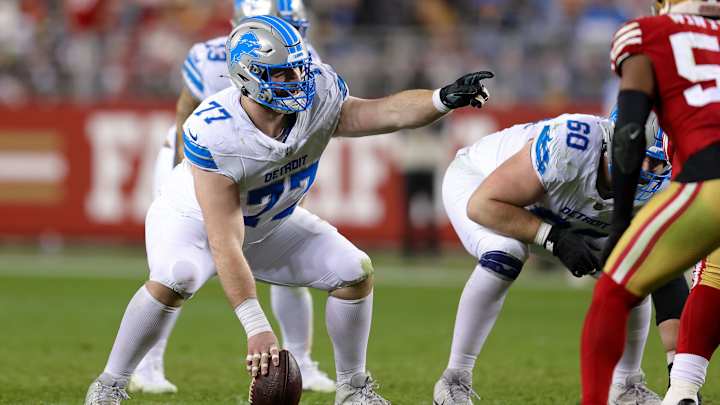
A Controversy Reignites in Detroit
The Detroit Lions are back in the spotlight — but this time, it’s not about roster moves or draft plans.
Instead, the conversation has shifted to how the organization handled the retirement of former center Frank Ragnow — and one prominent voice isn’t holding back.
Former Philadelphia Eagles star Jason Kelce has publicly criticized Detroit’s decision to recover part of Ragnow’s signing bonus after his early retirement.
💬 Kelce Speaks Out
Kelce, widely respected for both his playing career and leadership, questioned the fairness of the situation.
While he acknowledged that teams have the right to reclaim money when players retire early, he made it clear that context matters — especially in Ragnow’s case.
Ragnow wasn’t a player walking away casually.
Throughout his career, he played through significant injuries:
Foot issues
Knee problems
A torn pectoral
Ongoing physical wear from years in the trenches
Kelce’s argument is simple: signing bonuses are meant to protect players from exactly this kind of physical toll.
⚖️ The Business Side vs The Human Side
From a legal standpoint, the Lions were within their rights.
Under NFL rules, if a player retires voluntarily — without being officially declared medically unable to play — teams can reclaim a portion of guaranteed money tied to unfulfilled contract years.
That’s exactly what happened here.
When Ragnow stepped away from football in 2025 with time still left on his deal, Detroit moved to recover part of the bonus tied to those remaining years.
But as Kelce pointed out, just because a team can do something doesn’t mean it always should.
📉 A Pattern That Raises Eyebrows
What makes this situation even more interesting is that it’s not new for Detroit.
The franchise has followed a similar path before:
Barry Sanders was asked to return millions after his sudden retirement
Calvin Johnson also repaid part of his earnings after stepping away
In both cases, the moves sparked tension between the organization and franchise legends.
Now, with Ragnow, the Lions appear to be sticking to that same philosophy — treating contracts strictly as business agreements, regardless of legacy or circumstances.
🗣️ Support for Ragnow Growing
Kelce isn’t the only one raising concerns.
Former Lions linebacker Alex Anzalone also weighed in, highlighting the physical sacrifices Ragnow made during his career.
The sentiment among players seems consistent: 👉 Ragnow earned that money through years of physical punishment
👉 His retirement wasn’t about choice — it was about necessity
That distinction is at the heart of the debate.
🔍 What This Means for the Lions
For Detroit, this situation reflects a clear organizational stance:
Contracts are enforced strictly
Financial commitments go both ways
Precedent matters more than perception
Team president Rod Wood reinforced that mindset, pointing to past cases as justification.
But in today’s NFL — where player relationships and locker room culture matter more than ever — decisions like this can have ripple effects beyond the balance sheet.
🧾 Final Take
This isn’t just about money — it’s about how teams balance business decisions with player loyalty.
On one side, the Lions are operating within the rules and maintaining consistency.
On the other, players and fans see a respected veteran who gave everything to the game being asked to give something back.
And when voices like Jason Kelce speak up, it turns a quiet financial decision into a league-wide conversation.
Former Player Sparks Conversation About How Lions Do Business