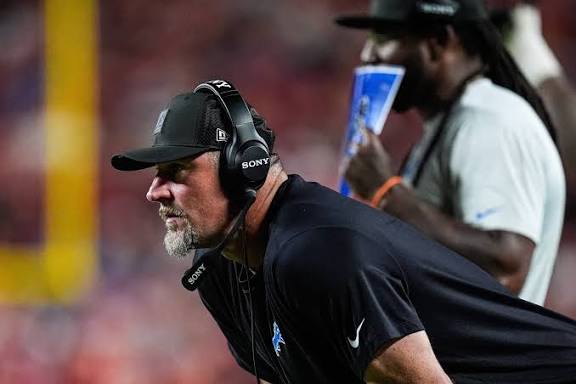
The Detroit Lions entered the season with optimism, expectations, and legitimate playoff buzz. On paper, this looked like a team ready to take the next step. But as the year unfolded, it became painfully clear that the Lions’ season didn’t unravel late — it was effectively ended by mistakes made long before it truly began.
The first major issue was roster mismanagement and misplaced confidence. Detroit bet heavily on internal improvement, particularly on defense, without making enough proven upgrades. When injuries hit — as they always do in the NFL — the lack of depth was exposed immediately. The secondary struggled, the pass rush vanished at critical moments, and there simply wasn’t a reliable backup plan.
Another costly error was slow in-season adjustment. The Lions stuck too long with schemes and personnel that clearly weren’t working. Opponents adjusted quickly; Detroit did not. Whether it was stubborn defensive alignments or predictable offensive tendencies, the Lions allowed problems to linger until losses piled up and confidence eroded.
Coaching decisions also played a role. Aggressiveness has been a trademark of this team, but at times it crossed into recklessness. Key fourth-down calls, questionable game management, and failure to protect momentum turned winnable games into crushing defeats. In a tight playoff race, those moments became season-defining.
Injuries were unavoidable, but lack of preparedness wasn’t. Losing key players like Amon-Ra St. Brown, Frank Ragnow, and others revealed how thin the margin truly was. Championship-caliber teams survive injuries. Detroit struggled to survive the first wave.
Finally, perhaps the biggest mistake was expecting growth without accountability. The Lions talked openly about contending, but when adversity arrived, the response wasn’t consistent enough. The urgency came too late, and by the time the team found answers, the playoff picture had already slipped away.
In the end, the Lions didn’t just lose games — they lost time. Time to adjust, time to correct mistakes, and time to save a season that was quietly compromised before it ever had a chance to flourish. The offseason ahead will be about more than fixes — it will be about learning how not to repeat the same fatal errors again.
The Fatal Mistakes That Doomed the Detroit Lions’ Season Before It Ever Took Off