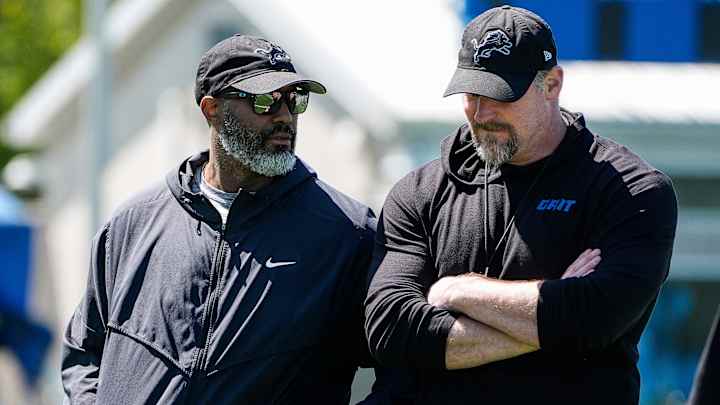
When the Detroit Lions made the decision to move on from veteran running back David Montgomery, it sparked plenty of debate among fans. Montgomery had been a productive and reliable part of Detroit’s offense, so naturally the move raised questions about why the team would part ways with a proven contributor.
But when you look deeper into the situation, the deal may actually represent something the Lions’ front office values greatly: surplus value.
For general manager Brad Holmes, finding ways to maximize roster value — whether through trades, draft picks, or cap flexibility — has been a major part of Detroit’s rebuilding strategy.
And the Montgomery move appears to follow that same blueprint.
Understanding Surplus Value in the NFL
In NFL terms, surplus value refers to a team getting more production or flexibility than what they are paying for or giving up. It’s essentially when a roster move creates advantages beyond the obvious return.
For the Lions, the Montgomery situation created value in several ways.
First, Detroit already had one of the most explosive young running backs in football in Jahmyr Gibbs. Gibbs’ speed and versatility made him the centerpiece of the backfield, and as he continued to develop, it became increasingly clear the offense could run primarily through him.
That meant Montgomery’s role — while still valuable — was no longer as essential to the long-term structure of the offense.
Moving Montgomery allowed the Lions to free up resources while leaning into Gibbs’ growing star power.
Cap Flexibility and Roster Efficiency
Another major factor behind the move was financial flexibility.
Running back is one of the most replaceable positions in the modern NFL, and teams often prefer to rotate younger, cheaper players rather than commit long-term money to multiple backs.
By trading Montgomery, the Lions potentially created additional salary cap room that can be redirected toward positions that are typically more expensive — such as edge rusher, cornerback, or offensive line.
For a team trying to compete for a championship, that flexibility can be incredibly valuable.
It gives Holmes the ability to pursue upgrades elsewhere on the roster without sacrificing depth.
Betting on Offensive Identity
Head coach Dan Campbell has built an offense that thrives on balance and physicality, but it has also evolved into a system designed to maximize explosive playmakers.
With Gibbs continuing to grow into a dynamic weapon both as a runner and receiver, Detroit may feel confident that the offense can maintain its productivity even without Montgomery’s bruising running style.
In fact, the Lions’ offensive line — anchored by stars like Penei Sewell — has consistently been one of the best run-blocking units in the league. That strength allows Detroit to plug in different running backs and still maintain efficiency.
The Bigger Picture
None of this means Montgomery wasn’t a valuable player.
He helped stabilize the Lions’ rushing attack and provided toughness in short-yardage situations. But the NFL is ultimately about roster optimization, and teams that consistently compete for championships are the ones that maximize every asset they have.
By moving Montgomery at the right time, Detroit may have positioned itself to gain value not only through financial flexibility but also through the continued development of its younger stars.
Final Thoughts
The Lions’ decision to move on from David Montgomery might have surprised some fans at first, but when viewed through the lens of roster management, it begins to make more sense.
Brad Holmes has repeatedly shown that he’s willing to make difficult decisions if they improve the team’s long-term outlook.
And if the Lions successfully reinvest the value gained from the Montgomery move into strengthening other areas of the roster, the trade could end up being remembered as another quietly smart decision by Detroit’s front office. 🦁
The Real Reason the Lions Benefited From the David Montgomery Trade